
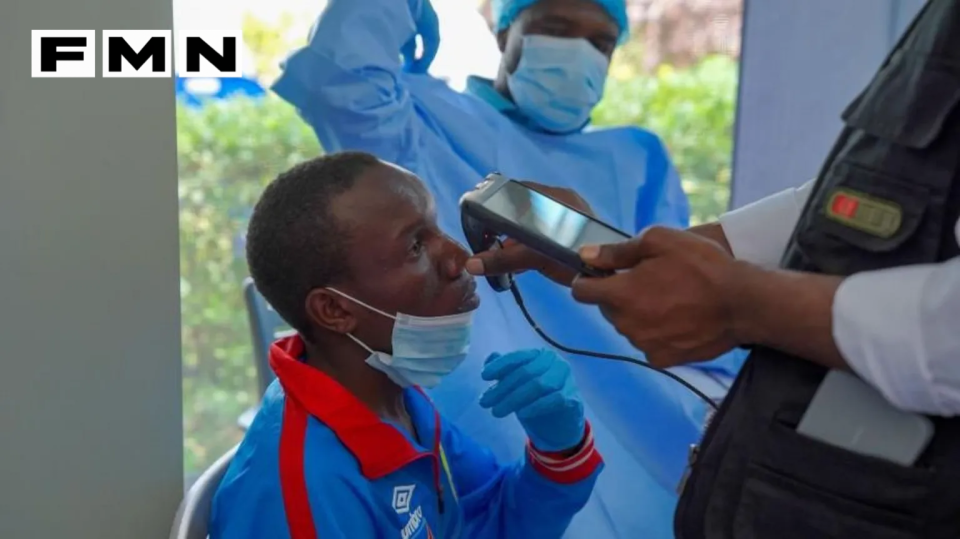
More than 5,000 people have died from an ongoing Ebola outbreak in the Democratic Republic of Congo (DR Congo), making it the deadliest outbreak in the country’s history, according to government data.
Health authorities report that more than 10,300 confirmed cases have been recorded across eight of the country’s 26 provinces. The outbreak began in May and surpassed the previous national death toll in August. The reported case fatality rate currently stands at 48.6%.
The north-eastern province of Ituri remains the epicentre of the outbreak. However, ongoing conflict in the area is making it difficult for health workers to reach affected communities and contain the spread of the virus.
Cases have also been confirmed in Kenya, Nigeria and Uganda, raising concerns about the potential spread of the disease beyond DR Congo.
According to the United Nations, this is the 17th Ebola outbreak in DR Congo and the second-largest in recorded history. The World Health Organization (WHO) has called for stronger control measures, improved access to affected communities and increased public education to help bring the outbreak under control.
Health authorities say testing and treatment efforts are ongoing, alongside clinical trials involving vaccines. The current outbreak is caused by the Bundibugyo strain of Ebola, for which there is currently no approved vaccine or specific treatment.
DR Congo’s previous deadliest outbreak, between 2018 and 2020, recorded 2,299 deaths. However, the largest Ebola outbreak in history occurred in West Africa between 2014 and 2016, claiming more than 11,325 lives across several countries.
The United Nations has warned that the current outbreak is claiming lives at a much faster rate, highlighting the urgency of strengthening the response.
Ebola is a rare but serious viral disease that can cause sudden illness, including fever, weakness and gastrointestinal symptoms. It spreads through direct contact with the bodily fluids of an infected person or someone who has died from the disease.
Health officials continue to urge communities to follow public health guidance and cooperate with disease-control teams.
